Introduction to Spring-Piston and Direct-Lever Espresso Machines
Spring-piston and direct-lever espresso machines are two popular types of manual espresso machines.
They differ in their mechanism of operation, with spring-piston machines using a spring to generate pressure and direct-lever machines using a manual lever to force the water through the coffee grounds.
In this article, we will compare these two types of machines in terms of their pre-infusion differences, extraction quality, and overall performance.
We will also discuss the importance of pressure profiling and grind size in espresso extraction.
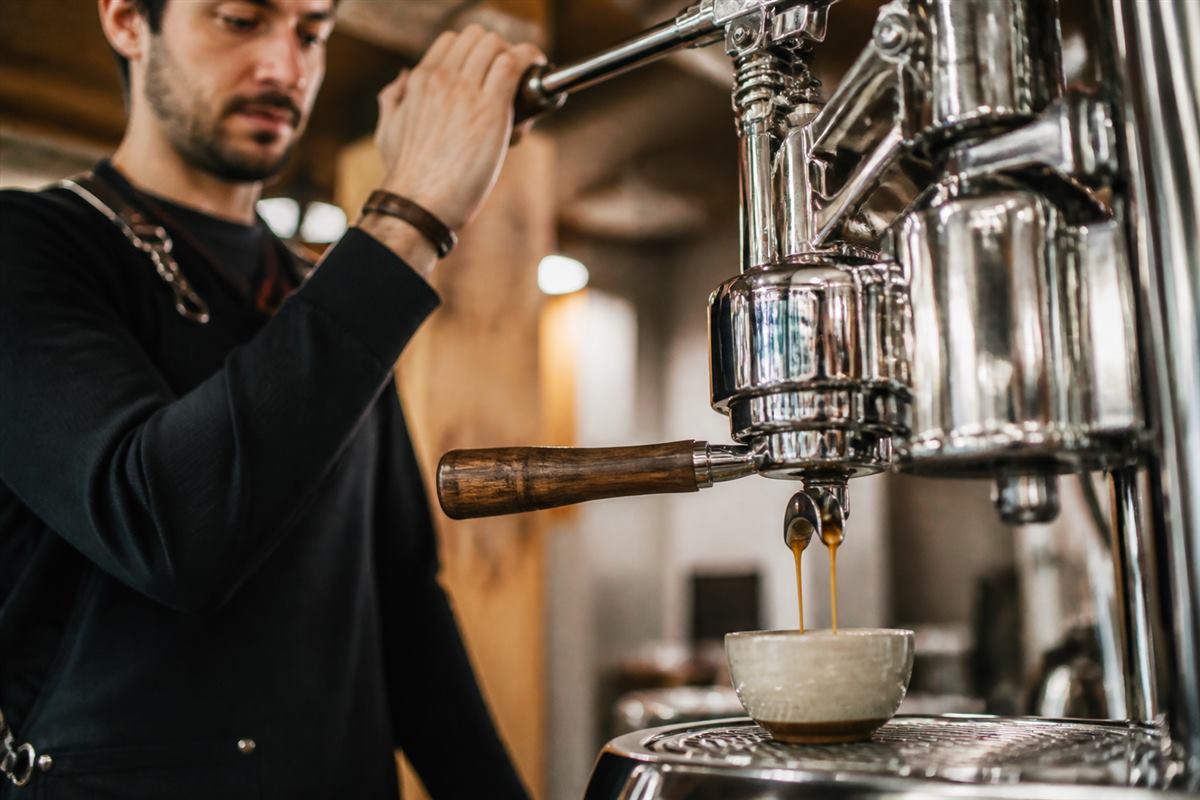
Overview of Pre-Infusion Techniques
Pre-infusion is the process of slowly introducing water to the coffee grounds before the main extraction phase.
It helps to evenly saturate the grounds and prevent channeling, resulting in a more balanced and flavorful espresso shot.
Spring-piston machines typically have a built-in pre-infusion phase, where the spring slowly releases pressure to introduce water to the grounds.
Direct-lever machines, on the other hand, require the user to manually control the pre-infusion phase by slowly lifting the lever.
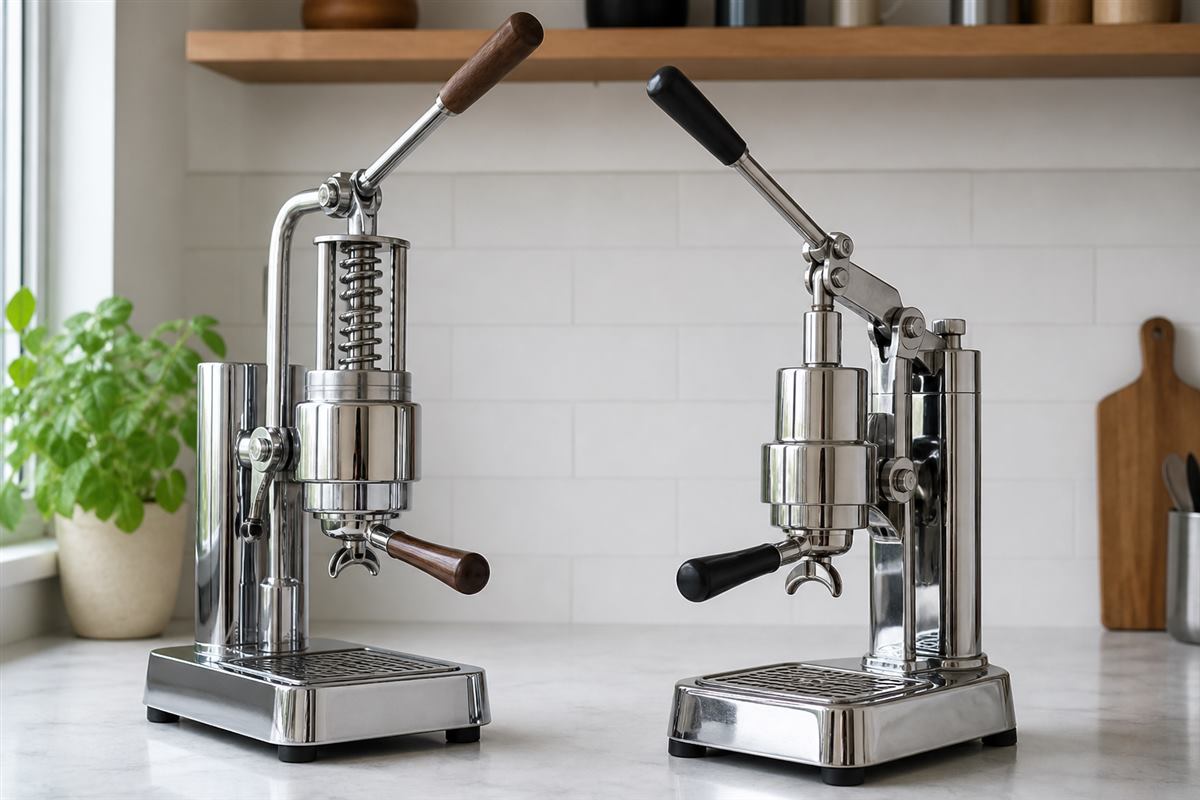
Comparison of Spring-Piston and Direct-Lever Machines
When it comes to pre-infusion, spring-piston machines have an advantage over direct-lever machines.
The built-in pre-infusion phase in spring-piston machines ensures a consistent and even saturation of the coffee grounds, resulting in a better extraction quality.
However, direct-lever machines offer more control over the pre-infusion phase, allowing users to adjust the flow rate and pressure to their liking.
This can be beneficial for experienced users who want to experiment with different pre-infusion techniques, such as spring lever vs direct lever machines.
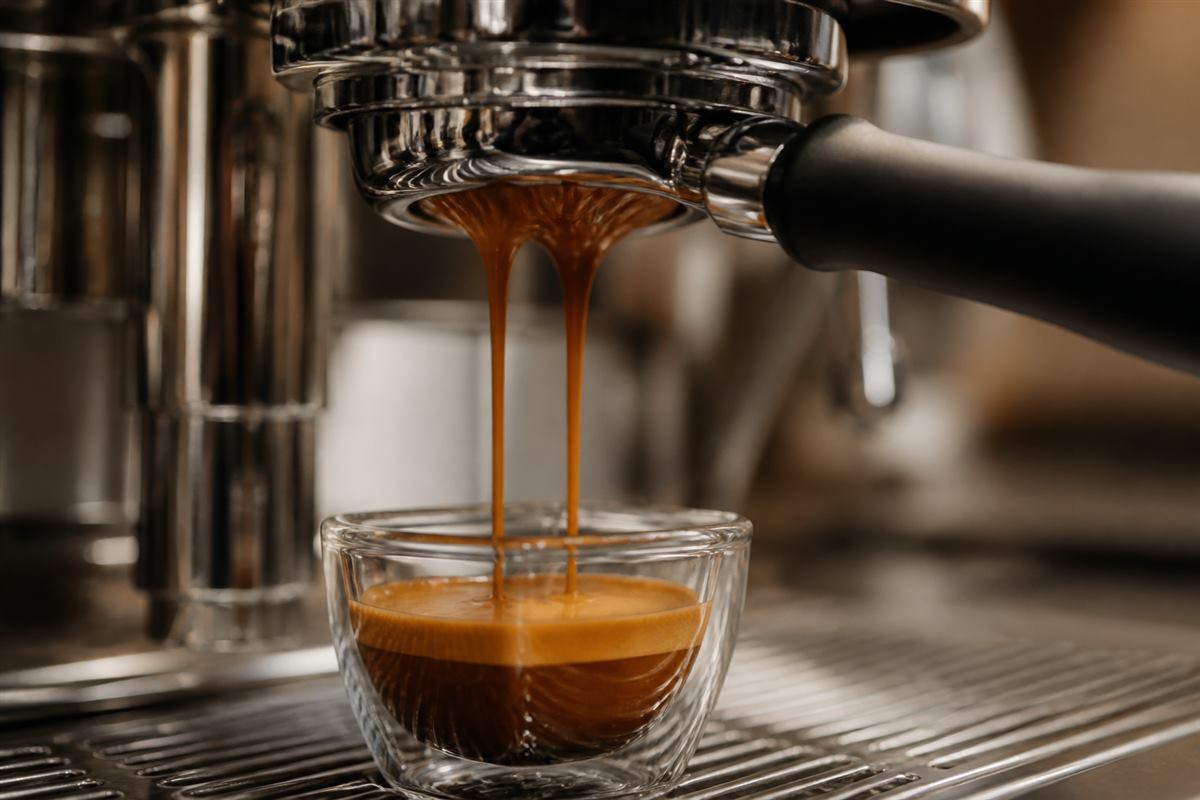
Pressure Profiling and Extraction Quality
Pressure profiling is the process of adjusting the pressure during the extraction phase to optimize the flavor and quality of the espresso shot.
Both spring-piston and direct-lever machines can be used for pressure profiling, but direct-lever machines offer more control and flexibility.
To achieve optimal pressure profiling, users can refer to optimal pressure profiling techniques for lever espresso machines.
This involves adjusting the flow rate and pressure to match the specific coffee beans and roast levels being used.
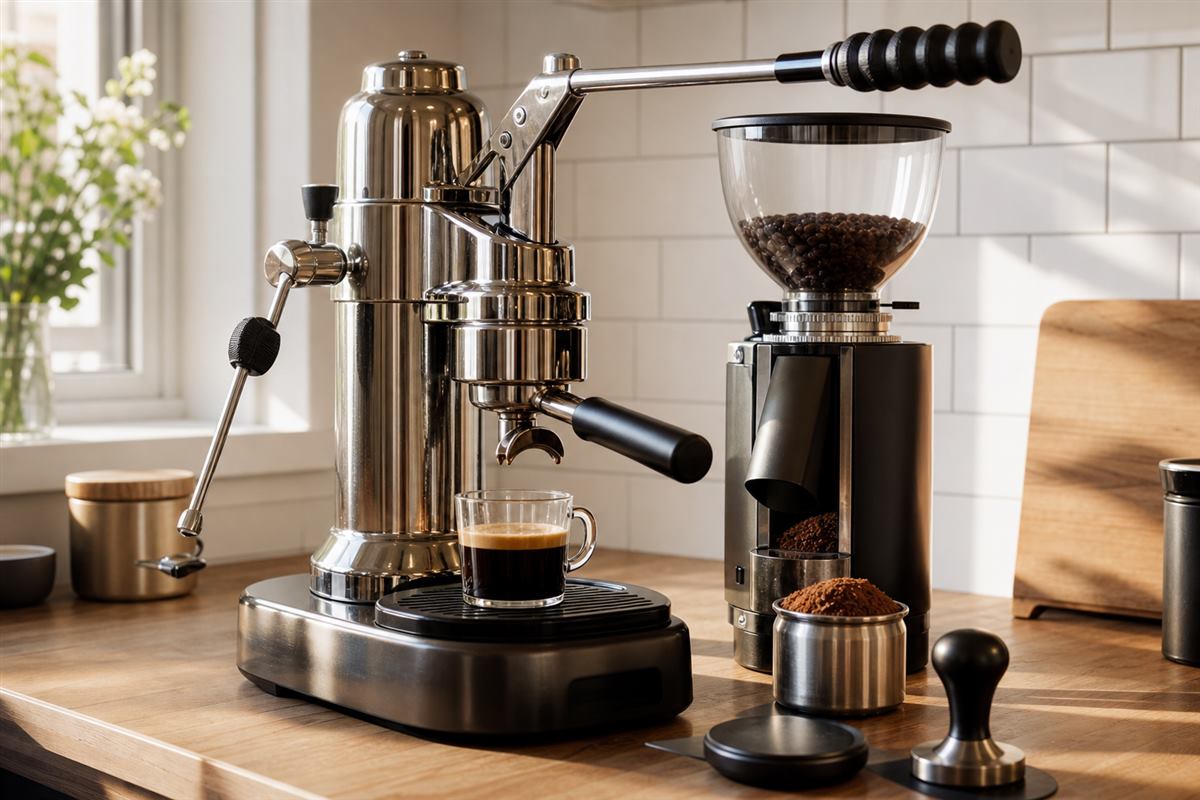
Impact of Grind Size on Extraction Quality
Grind size is a critical factor in espresso extraction, as it affects the flow rate and pressure during the extraction phase.
A grind that is too fine can result in a slow flow rate and over-extraction, while a grind that is too coarse can result in a fast flow rate and under-extraction.
To achieve the optimal grind size, users can refer to grind size guidelines for espresso extraction.
This involves adjusting the grind size to match the specific coffee beans and roast levels being used, as well as the desired flow rate and pressure.
Temperature Management and Its Effects on Pre-Infusion
Temperature management is critical in espresso extraction, as it affects the flavor and quality of the espresso shot.
Both spring-piston and direct-lever machines require precise temperature control to achieve optimal extraction quality.
To achieve optimal temperature management, users can refer to temperature management techniques for manual lever espresso machines.
This involves adjusting the temperature of the machine to match the specific coffee beans and roast levels being used.
Conclusion: Choosing the Right Espresso Machine for Your Needs
In conclusion, spring-piston and direct-lever espresso machines are both high-quality options for those looking to brew espresso at home.
By considering factors such as pre-infusion, extraction quality, and maintenance, users can choose the right machine for their needs and preferences.
Whether you prefer the ease of use and consistency of a spring-piston machine or the control and flexibility of a direct-lever machine, there is an espresso machine out there for you.
By doing your research and reading reviews, such as our espresso machine reviews, you can find the perfect machine to suit your needs and budget.
Additional Considerations for Spring-Piston and Direct-Lever Machines
In addition to the factors mentioned above, there are several other considerations that can affect the performance of spring-piston and direct-lever espresso machines.
For example, the quality of the coffee beans and roast levels being used can greatly impact the flavor and quality of the espresso shot.
Users can refer to coffee bean quality guidelines to ensure they are using the best possible beans for their machine.
Additionally, the maintenance and cleaning of the machine can also impact its performance and longevity.
Maintenance and Cleaning of Spring-Piston and Direct-Lever Machines
Regular maintenance and cleaning are essential to ensure the optimal performance and longevity of spring-piston and direct-lever espresso machines.
Users should regularly clean the machine's components, such as the group head and portafilter, to prevent the buildup of old coffee oils and residue.
Additionally, users should descale the machine regularly to prevent the buildup of mineral deposits and ensure optimal water flow.
For example, users can use a mixture of water and vinegar to descale the machine, or refer to the manufacturer's instructions for specific cleaning and maintenance procedures.
Troubleshooting Common Issues with Spring-Piston and Direct-Lever Machines
Despite their durability and reliability, spring-piston and direct-lever espresso machines can still experience common issues, such as clogged portafilters or uneven extraction.
To troubleshoot these issues, users can refer to the machine's user manual or online resources, such as troubleshooting guides.
For example, if the machine is experiencing uneven extraction, users can try adjusting the grind size or tamping pressure to achieve a more even flow.
Regular maintenance and cleaning can also help prevent common issues and ensure the optimal performance of the machine.
Pre-Infusion Technique: A Key Factor in Espresso Extraction
Pre-infusion technique is a critical factor in espresso extraction, as it affects the flavor and quality of the espresso shot.
A good pre-infusion technique can help to evenly saturate the coffee grounds, prevent channeling, and result in a more balanced and flavorful espresso shot.
To achieve a good pre-infusion technique, users can refer to pre-infusion technique guidelines for espresso extraction.
This involves adjusting the pre-infusion time and pressure to match the specific coffee beans and roast levels being used.
Extraction Quality: A Comparison of Spring-Piston and Direct-Lever Machines
Extraction quality is a critical factor in espresso extraction, as it affects the flavor and quality of the espresso shot.
Spring-piston machines tend to have a more consistent extraction quality, while direct-lever machines offer more control and flexibility.
To achieve optimal extraction quality, users can refer to extraction quality guidelines for espresso extraction.
This involves adjusting the grind size, tamping pressure, and brewing time to match the specific coffee beans and roast levels being used.
Frequently asked questions
Spring-piston machines use a spring to generate pressure, while direct-lever machines use a manual lever to force the water through the coffee grounds.
Pre-infusion helps to evenly saturate the coffee grounds and prevent channeling, resulting in a more balanced and flavorful espresso shot. A built-in pre-infusion phase, like in spring-piston machines, can ensure a consistent and even saturation of the grounds.
The ideal grind size depends on the specific coffee beans and roast levels being used, as well as the desired flow rate and pressure. Users can refer to grind size guidelines for espresso extraction to achieve the optimal grind size.
Temperature management is critical in espresso extraction, as it affects the flavor and quality of the espresso shot.
Common issues with spring-piston and direct-lever espresso machines include clogged portafilters, uneven extraction, and temperature control problems. Users can refer to troubleshooting guides or the machine's user manual to resolve these issues.
Regular cleaning and maintenance are essential to ensure the optimal performance and longevity of your espresso machine. Users should clean the machine's components regularly and descale the machine every 3-6 months to prevent the buildup of mineral deposits.